Gary Clark Jr. Live 2026
Gary Clark Jr.'s current live run carries the electric pull that has drawn listeners across blues, soul, and rock. On stage, the atmosphere is built around the guitar: searing solos that unfold with patience, set against grooves rooted in blues tradition, gospel-tinged vocals, and the heavier textures of modern rock. The crowd is often mixed in age and background, bringing together longtime blues devotees, guitarists who come to study every bend and tone, and newer fans eager to hear recorded favorites breathe in a live room. The energy follows a rewarding arc, with smoky, restrained passages giving way to full-throttle peaks, so the set rarely settles into one mood for too long. What makes this run worth attention is its scope: the itinerary moves through a varied mix of cities and venue types, from intimate theaters where every nuance of the amplifier can be felt to larger halls built to fill with sound. Across the evening, the pacing is deliberate, starting with a rolling introduction, climbing through extended instrumental stretches, and arriving at a final push that leaves the audience wanting more. Whether you have followed his career from the start or are discovering it now, this tour offers a clear view of what makes his performances distinctive. Before you plan your night, take a moment to check the dates table below, find the stop nearest you, and secure your place for a show that rewards close listening.
Listen on Spotify
Gary Clark Jr. Tour Dates 2026
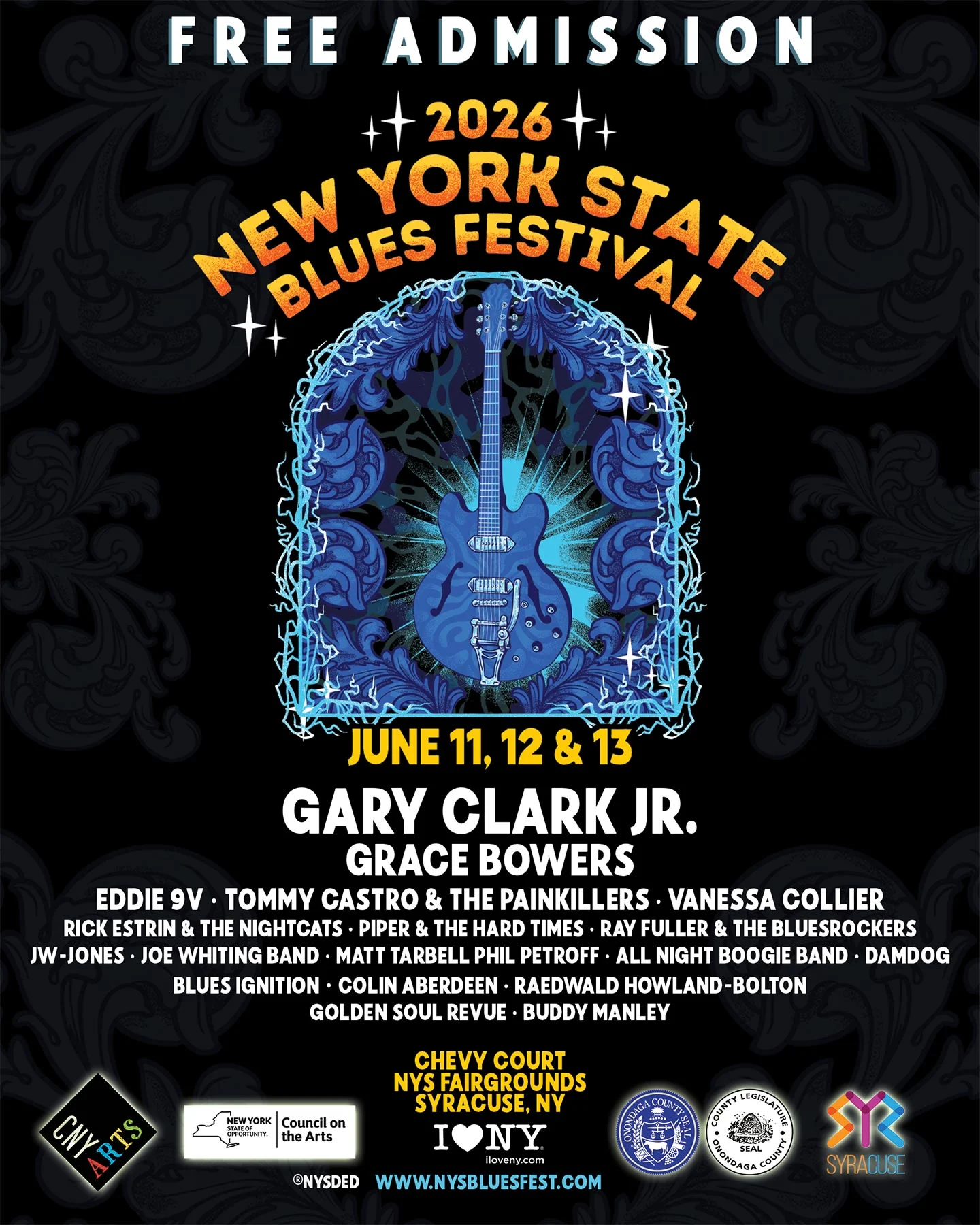
Tour Poster
Video
Photos
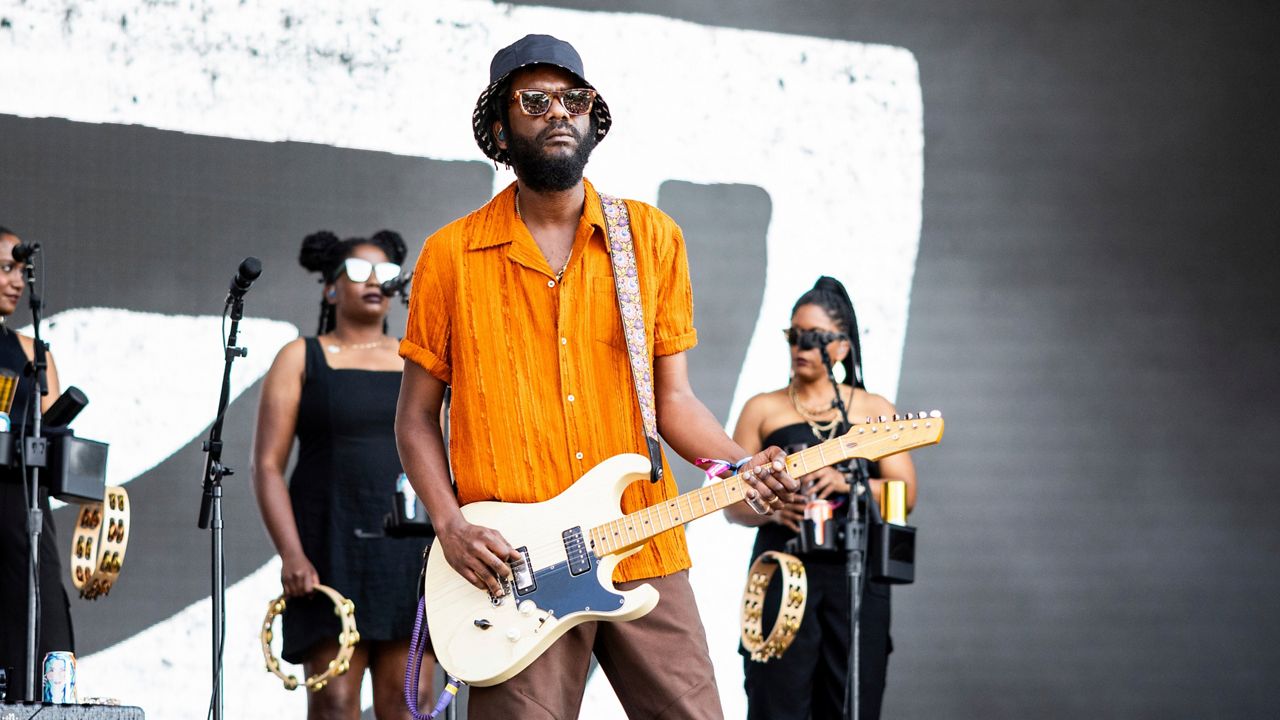
About Gary Clark Jr.
Gary Clark Jr. is a guitarist, singer, and songwriter from Austin, Texas, who leads a band built around his electric guitar. He came up playing the city's blues clubs from a young age, and that apprenticeship remains audible in his phrasing. His sound blends Texas blues shuffles, electric Chicago-style grit, soul, and funk, with a rhythm section that keeps the grooves loose and muscular. The tone is the centerpiece: a thick, overdriven guitar with a sharp attack, often shaped by wah and fuzz pedals, while his vocals shift between a rough, sandpaper growl and a higher, smoother register. Listeners expecting a conventional blues record often find the arrangements more adventurous than the label suggests.
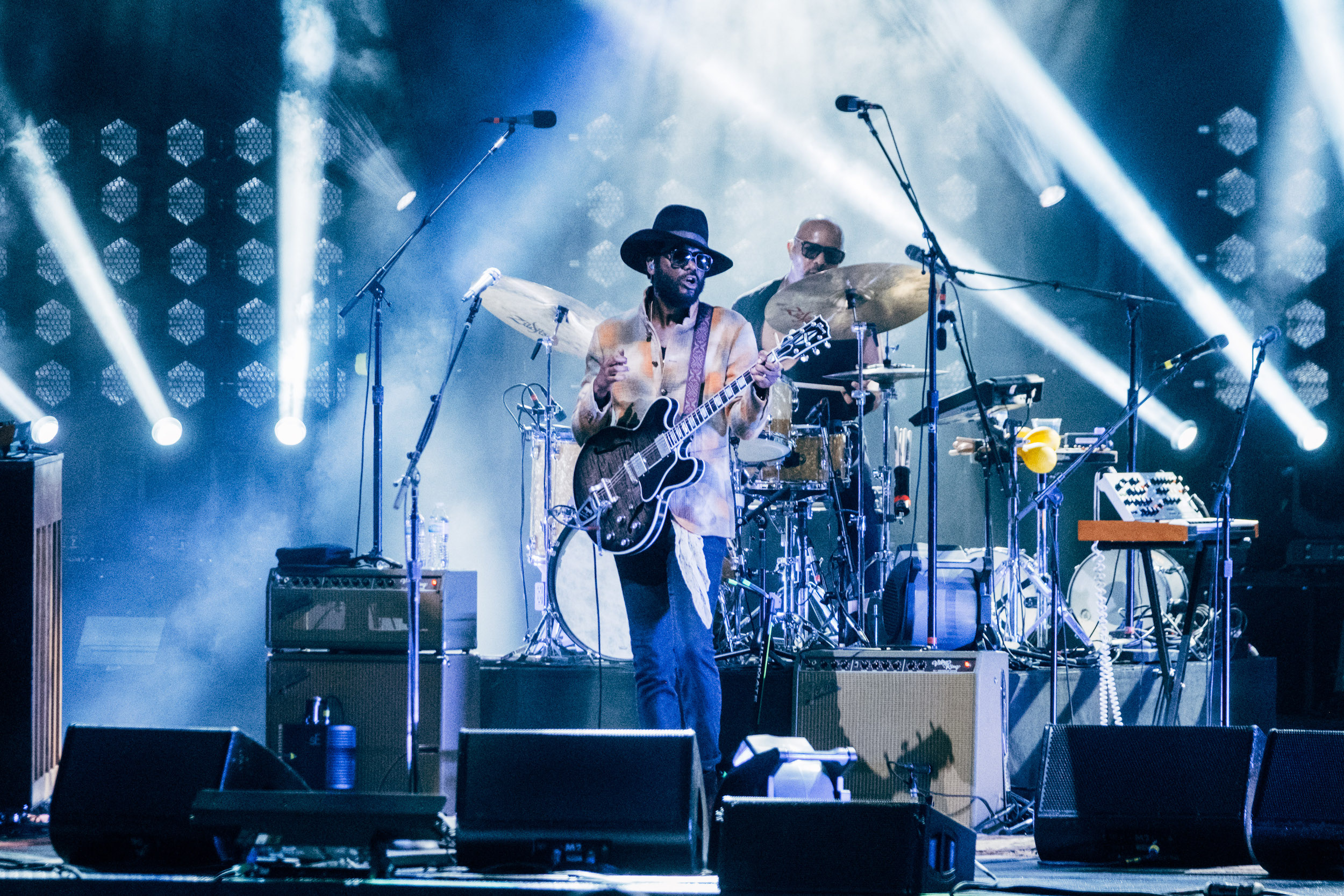
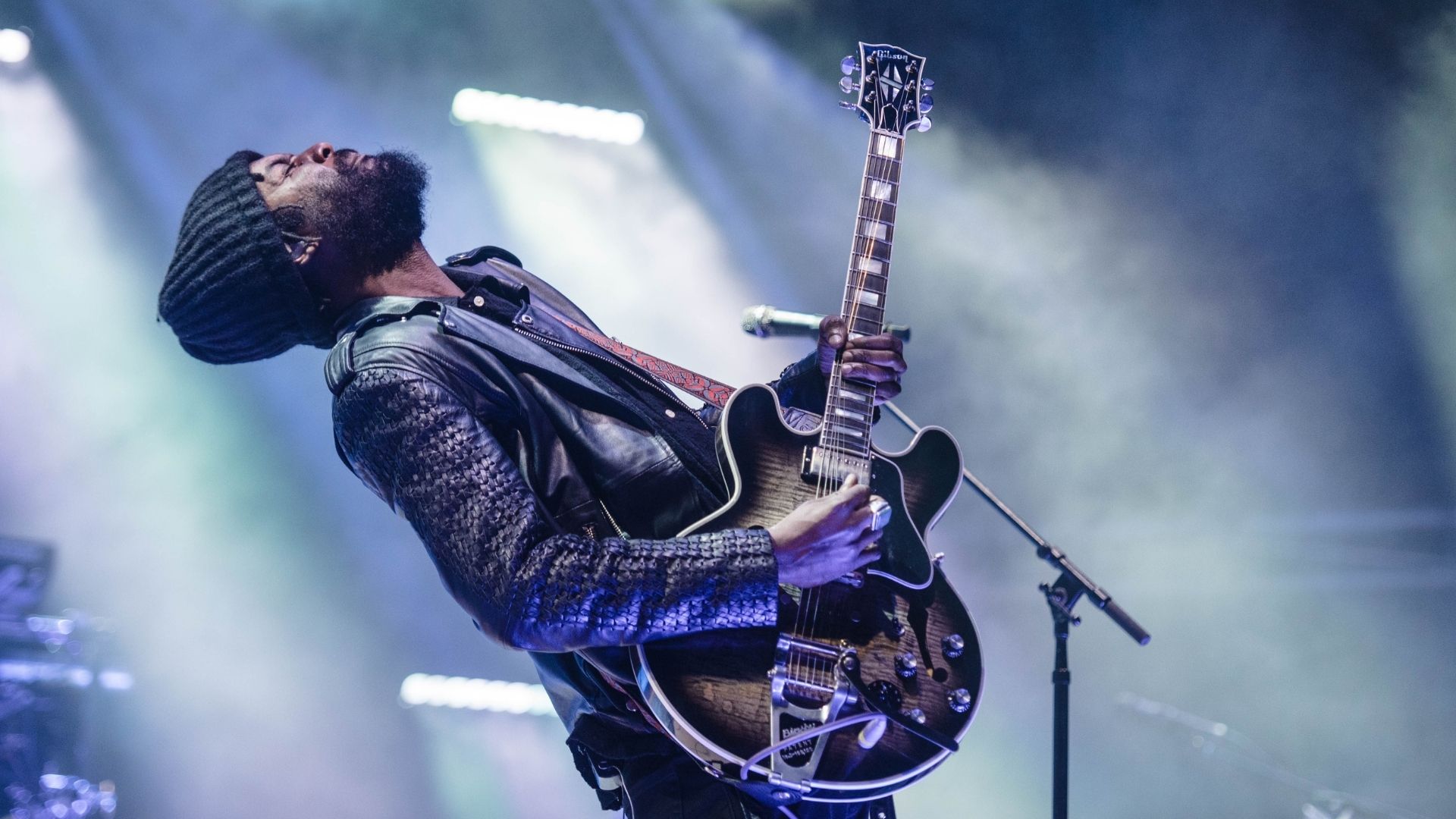
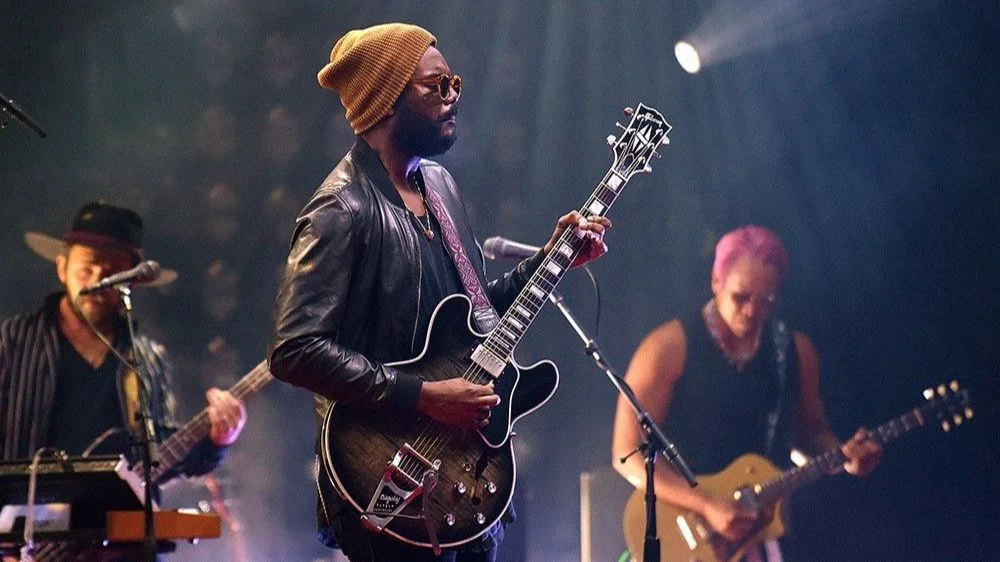
The current live show is built around the guitar and the room. Clark tends to stretch songs into extended improvised passages, moving from tight verse-and-chorus structures into long solos that test the band's ability to follow him. Stage production is generally restrained. Lighting leans on warm amber and deep blue washes that keep attention on the players, with few video screens or elaborate effects. The setlist typically mixes material from his studio albums with blues standards and newer songs, and the balance shifts from night to night. Venues range from theaters to large amphitheaters and festival stages, and the sound is usually loud and dynamic. The middle of the floor tends to offer the most balanced mix of guitar tone and rhythm section. Fans who value musicianship over spectacle often find the show rewarding.
Several moments mark Clark's rise. His early independent recordings drew attention from critics and label executives before he signed with a major label. His debut studio album, Blak and Blu, combined blues guitar with soul vocals and hip-hop-influenced production, and its single "Bright Lights" became a staple of his concerts. His later album This Land pushed further into political and social themes, and its title track is widely heard at live shows. Clark has also appeared at Eric Clapton's Crossroads Guitar Festival, a high-profile stage that placed him alongside established guitar players. Festival appearances at major American events have further broadened his audience beyond the blues circuit.
Clark sits within a lineage that runs from Texas blues to modern guitar-led rock and soul. Austin's club circuit, with its long tradition of blues performance, is the obvious root, but his listeners also include fans of Jimi Hendrix-style psychedelia, classic soul singers, and rock audiences who came to guitar music through radio. Among the wider scene of guitar-driven artists, he is often grouped with players who prioritize tone and live improvisation over studio polish. Listeners who tend to enjoy the band in person include guitar students studying tone, longtime blues fans who appreciate the Texas idiom, and younger listeners drawn to the soul and hip-hop textures in his arrangements. Mixed-age crowds are common, which gives the room a relaxed and attentive feel.
Practical notes can help first-time attendees plan. Headline sets commonly run around ninety minutes to two hours, with a longer encore possible when the crowd is engaged, so check listed doors and start times carefully. Openers vary by market and tour leg. They are often regional or emerging acts, sometimes a solo performer or a smaller band playing a shorter set. Arrive early for a good view, since rooms can fill quickly near showtime. Audiences tend to be attentive during quiet passages and vocal during the solos, with standing and dancing common on uptempo songs. Venue policies on bags, phones, and cameras differ, so review each venue's rules before you go.
Readers planning a night out can browse the upcoming dates listed below to find a show near them. Each listing includes the venue, the city, and the doors and start times as confirmed by the promoter, so it is worth checking details before buying tickets. Whether you know the catalog well or are just discovering the guitar work, these dates offer a chance to hear the band in a room built for its sound. Take a look, compare options, and plan your trip ahead.
FAQs
Where can I buy tickets for a Gary Clark Jr. concert?
Tickets are usually sold through the official Gary Clark Jr. website, the venue's box office, or authorized ticketing platforms such as Ticketmaster or AXS, depending on the city. Buying from an authorized seller is the safest option because it protects you from counterfeit tickets and inflated resale prices. Be cautious of unofficial resellers, especially on social media.
How much do Gary Clark Jr. concert tickets cost?
Prices vary by venue, city, and seat location, and they can also change based on demand. Tickets for arena shows generally cost more than those for smaller theaters or outdoor amphitheaters. Ticket listings show the face value along with fees and taxes, so compare the final total at checkout. Prices on the resale market can be considerably higher than the original face value.
Is there an age requirement for attending a Gary Clark Jr. concert?
Age policies are set by each venue rather than by the artist, so they differ from show to show. Some concerts are all ages, while others, particularly those held in venues that serve alcohol, may restrict entry to guests 18 or 21 and older. Children generally need a ticket of their own, and infants may or may not require one depending on the venue. Check the event listing or the venue's website before purchasing.
What VIP options are available for Gary Clark Jr. shows?
VIP options differ by tour and venue, but they often include premium seating, early entry, merchandise bundles, or meet-and-greet opportunities when they are offered. VIP packages are typically sold through the artist's official website or the ticketing platform for that show. Since availability and inclusions change from tour to tour, review the package details carefully before buying to confirm exactly what is included.
What is the refund policy for Gary Clark Jr. concert tickets?
Most concert tickets are non-refundable and non-exchangeable, even if you can no longer attend. Refunds are generally issued only when a show is canceled. If a concert is postponed, your existing tickets are usually valid for the new date, but if you cannot attend, you may be able to request a refund within a stated window. Refund terms are listed on the ticket purchase page and on the venue's website, so read them before you buy.
Live tour and ticket guide
This is an independent fan-made guide to live events and ticket listings. This website is not affiliated with, sponsored by, or endorsed by Gary Clark Jr., any venue, or any ticket provider. We may earn a commission from ticket and hotel links at no extra cost to you.
Follow Gary Clark Jr.